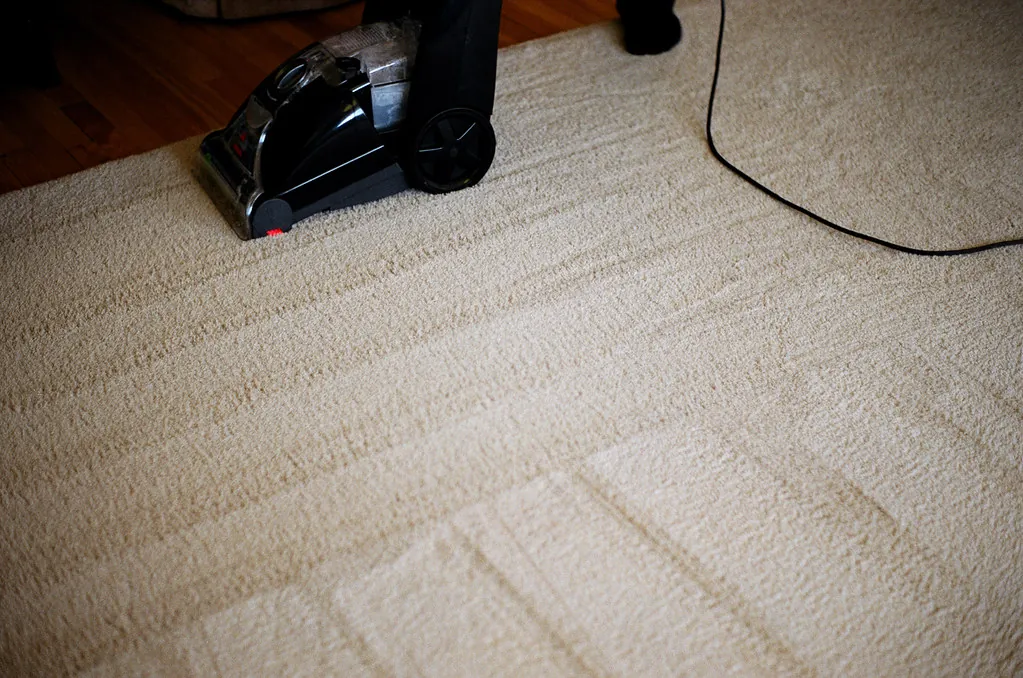
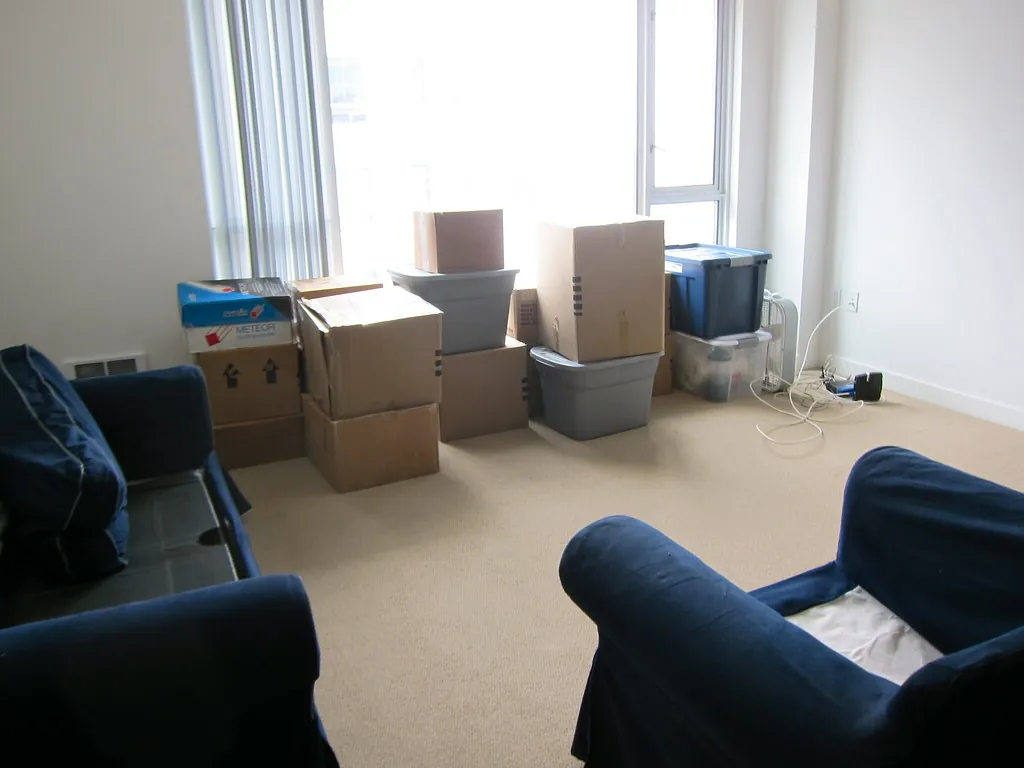
If you have moved out of a Maryland rental — or turned one over — you already know where the argument usually starts. It is almost never the walls. It is the carpet.
Carpet is the largest soft surface in a unit, it absorbs everything that happens in it, and it is the one item whose "condition" is genuinely debatable after two or three years of tenants. This guide is the schedule I give Maryland renters and property managers: what to do in the weeks before a move-out, what actually needs a professional, and how to document the whole thing so nobody is arguing about it in September.
Why carpet is the move-out battleground
Three things make rental carpet hard:
- Traffic lanes. The paths between door, kitchen, bedroom and bath wear years before the rest of the room. Entry lanes go first, especially in winter.
- Salt. Maryland winters put rock salt on shoes from December through March. Tracked into fiber, salt doesn't just sit on top — it cuts the strands as it's walked in, and it holds moisture against the backing. Entry lanes in a Baltimore County rancher can show visible wear years ahead of the center of the room.
- Pets. Urine doesn't stay in the carpet. It wicks through the pile into the pad, and sometimes into the subfloor. A surface-level clean removes the stain but leaves the source, and the odor comes back the first humid week — usually in July, right when the unit is hardest to re-rent.
The good news: every one of those problems is manageable if you plan the move-out instead of reacting to it.
Three weeks before move-out
Declutter the floors completely. Everything comes off the carpet — furniture, boxes, the holiday storage bins. A professional cannot quote, clean, or dry a floor they cannot reach, and vacuuming around clutter just moves the soil.
Pull nails, staples, and adhesive. Anything that was mounted to the carpet or tack strip: anchor bolts from a bunk bed, the tape residue from a baby gate, the staples from a carpet runner. Left behind, these tear fiber and get billed as damage.
Book your cleaning early. In Maryland, turn season is roughly May through August, and carpet companies are booked out further than people expect. If your move-out is in that window, get on a schedule now — not the week of. Aim for the cleaning to happen after your last day in the unit and after any painting, not before.
One week before
Treat the spots you have been ignoring. The coffee ring by the desk, the wine from New Year's, the mystery spot under the dining table. Fresh-ish spots respond to treatment; spots that have been set for a year usually don't fully lift, and treating them before the professional cleaning gives them a fighting chance. (If you have pets, see our guide to handling a fresh pet stain.)
Inventory the damage honestly. Bleached spots, burns, snags, seams that have opened, areas where the backing is showing. Write them down with location and rough size. A short, honest list beats a surprise at the walkthrough — and it is what protects you if a deduction later gets challenged.
Take dated photos. Wide shot of each room, plus close-ups of damage. Do it the day before you leave, in daylight, with the flash on. Photos taken at move-out settle more deposit disputes than any other single habit.
The day before and the day of
Vacuum thoroughly, edges included. Baseboards, corners, closet floors, the strip behind the door, and especially the areas that were under furniture for years — that's where the fine grit sits. A professional extraction over an unvacuumed floor turns dust into mud.
Do a final walkthrough with the landlord or property manager if you can. Bring your photo list. Note the carpet condition together, agreed, in writing.
What a professional does that vacuuming can't
Vacuuming removes loose soil. It does nothing for the soil that has bonded to the fiber, and nothing at all below the surface. A truck-mounted hot-water extraction — the method used across Maryland for deep cleaning — pre-treats the fiber, rinses it at high temperature, and extracts the suspended soil and water back out. Two things matter for a move-out specifically:
- Fabric testing first. Upholstery and some carpets have cleaning codes (W, S, W/S, X) that dictate the safe method. A pro tests a hidden area before touching anything. If you don't know your fabric code, our featured local pro publishes a plain-English guide to them.
- Pet treatment at the source. Real pet-odor work means finding the deposit — pros use UV lights to locate urine you cannot see — and treating the pad, not just the top. An honest company will tell you when a section of pad needs replacing rather than fake-cleaned, because that call is the difference between a fresh unit and a July complaint.
The Maryland timing note
Truck-mounted extraction with air movers dries carpet in 2 to 4 hours. Portable machines and rental units can leave carpet damp for 12 to 24 hours — and in a humid Maryland summer, especially in a garden-level or basement unit, damp backing is how musty odor starts. Book the cleaning for the morning so the unit is dry before the painters' follow-up visit or the walk-through.
What it should cost
Pricing is usually quoted per carpeted area, not per square foot, for residential work. As a concrete, published example from right here in Maryland: a three-area carpet cleaning with pre-treatment, hot-water extraction and deodorizer included starts at $199 at Xtreme Cleans, a family-owned company in Owings Mills serving 12 counties. Whole-home cleans (five-plus areas) are volume-priced; stairs and pet-urine treatment are quoted separately after inspection — which is the honest way to do it, because nobody can price pet damage sight unseen.
Put that against replacement: re-carpeting a typical two-bedroom unit runs into the thousands of dollars once material, pad, labor, haul-away and days off the market are counted. If the carpet has three or more years of life left, cleaning wins that math every time.
The move-out carpet checklist
The one habit that settles everything
If you take one thing from this guide: document carpet condition at move-in and again at move-out. Two sets of dated photos, taken from the same corners of each room, turn the entire "was it like that when I moved in?" conversation into a thirty-second scroll through a camera roll. Landlords win disputes with evidence, not memory — and so do tenants.